

proper wetting during soldering in Fast turn pcb assembly
Ensuring proper wetting during soldering is essential in fast-turn PCB assembly to achieve reliable electrical connections and high-quality solder joints. Wetting refers to the ability of molten solder to flow and adhere to component leads and PCB pads, forming a strong metallurgical bond. Proper wetting is critical for achieving satisfactory solder joint integrity, preventing issues such as cold solder joints, voids, and poor electrical conductivity. Several key factors must be considered to ensure optimal wetting during soldering in fast-turn PCB assembly.
One crucial factor in ensuring proper wetting is the selection of the appropriate solder alloy and flux. Different solder alloys, such as tin-lead (SnPb) or lead-free compositions, exhibit varying wetting characteristics based on their composition and surface tension properties. Similarly, flux plays a vital role in promoting wetting by removing surface oxides, contaminants, and impurities from the soldering surfaces, thereby improving solder flow and adhesion. By selecting solder alloys and flux formulations tailored to the specific requirements of the assembly process, manufacturers can optimize wetting performance and achieve reliable solder joints.
Moreover, controlling the soldering temperature and heating profile is essential for ensuring proper wetting during fast turn pcb assembly. Soldering temperature directly influences the viscosity and surface tension of the molten solder, affecting its ability to flow and wet the soldering surfaces effectively. By carefully monitoring and controlling the temperature profile during reflow or wave soldering processes, manufacturers can ensure that the solder reaches its melting point and maintains optimal flow characteristics, promoting uniform wetting across all solder joints.
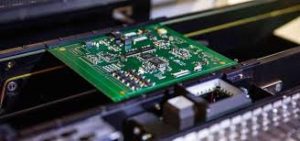
How do you ensure proper wetting during soldering in Fast turn pcb assembly?
Furthermore, ensuring adequate cleanliness of the soldering surfaces is critical for promoting proper wetting during PCB assembly. Contaminants such as oils, grease, residues, and oxidation can inhibit solder flow and adhesion, leading to poor wetting and unreliable solder joints. Prior to soldering, thorough cleaning and preparation of the component leads, PCB pads, and soldering surfaces are essential to remove any contaminants and ensure optimal wetting performance. This may involve using cleaning solvents, mechanical scrubbing, or chemical treatments to achieve pristine soldering surfaces.
Additionally, optimizing the soldering process parameters, such as solder paste deposition thickness, stencil design, and reflow profile, can contribute to proper wetting during fast-turn PCB assembly. Adequate solder paste deposition thickness ensures sufficient solder volume for wetting while avoiding excess solder that can lead to solder bridging or tombstoning. Optimizing stencil design and aperture geometry helps ensure accurate solder paste deposition, promoting uniform wetting across all component pads. Similarly, fine-tuning the reflow profile to match the solder alloy and assembly requirements helps achieve the ideal balance of temperature, time, and atmosphere for optimal wetting performance.
Furthermore, ensuring proper alignment and mechanical stability of components during soldering is essential for promoting uniform wetting and preventing solder joint defects. Misaligned or improperly secured components can impede solder flow and adhesion, leading to incomplete wetting or solder joint voids. By employing accurate placement techniques, such as automated pick-and-place machines or precision fixtures, manufacturers can ensure precise alignment and secure mounting of components, facilitating proper wetting and achieving reliable solder joints.
In conclusion, ensuring proper wetting during soldering is critical for achieving high-quality, reliable solder joints in fast-turn PCB assembly. By considering factors such as solder alloy selection, flux formulation, soldering temperature control, surface cleanliness, process optimization, and component alignment, manufacturers can optimize wetting performance and minimize the risk of solder joint defects. Proper wetting not only ensures the integrity and functionality of electronic assemblies but also contributes to the overall reliability and performance of PCB-based products. As such, proper wetting is a fundamental aspect of successful fast-turn PCB assembly processes.