

top features to look for in a drone flight controller
When selecting a drone flight controller, there are several critical features to consider that can significantly impact the drone’s performance, stability, and overall user experience. The drone flight controller is the heart of the drone, responsible for interpreting input from various sensors and controlling the motors to ensure stable flight. Whether you are a hobbyist or a professional, understanding the essential features of a drone flight controller can help you make an informed decision, ensuring that your drone operates smoothly and efficiently.
One of the most important features to look for in a drone flight controller is sensor integration. Modern flight controllers typically integrate multiple sensors, including accelerometers, gyroscopes, magnetometers, barometers, and GPS modules. These sensors provide crucial data to the flight controller about the drone’s orientation, altitude, speed, and position. A good drone flight controller will effectively process this data in real-time to make necessary adjustments and keep the drone stable. The more advanced the sensor integration, the better the flight controller can maintain control, especially in challenging environments like high winds or turbulent conditions.
Another key feature of a drone flight controller is the flight mode options it supports. Different flight modes can greatly affect how a drone behaves in the air and offer various levels of control. Common flight modes include stabilizing mode, altitude hold, GPS hold, and autonomous waypoint navigation. A good drone flight controller should offer multiple modes to suit different flying styles and situations. For example, GPS hold mode is especially helpful for autonomous flights and aerial photography, as it enables the drone to hold a steady position. In contrast, more manual flight modes give experienced pilots greater control over the drone’s movements, allowing for more dynamic flying.
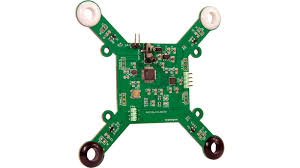
What are the top features to look for in a drone flight controller?
The stability and responsiveness of the drone are largely determined by the quality of the flight controller’s algorithms. Look for a flight controller with advanced algorithms such as PID (Proportional-Integral-Derivative) control. These algorithms adjust motor speeds in response to sensor data, fine-tuning the drone’s flight behavior and minimizing issues like drifting or instability. A high-quality drone flight controller will have finely tuned algorithms that help maintain smooth and precise flight, even in windy conditions or during aggressive maneuvers. The more customizable these algorithms are, the more control you’ll have over the drone’s stability and performance.
Compatibility with various types of motors and ESCs (electronic speed controllers) is also a crucial consideration. Some drone flight controllers are more flexible and can work with a wide range of motors, while others are designed specifically for certain setups. If you plan to upgrade your drone or use it with different motor configurations, make sure the flight controller is compatible with the system you intend to use. This ensures better efficiency and performance, and it gives you more flexibility in the future.
Fail-safe mechanisms are another essential feature of a drone flight controller. These features help protect the drone in case of signal loss, low battery, or other emergencies. Common fail-safes include return-to-home (RTH), which automatically brings the drone back to its takeoff point, and land mode, which safely brings the drone to the ground when it detects a problem. These fail-safe systems provide peace of mind, particularly during long-range flights or when flying in remote areas.
Connectivity options are also an important consideration. Many modern drone flight controllers come with Bluetooth, Wi-Fi, or other wireless connectivity options, which allow for easy communication with ground stations or mobile devices. This makes it easier to monitor flight data, update firmware, or troubleshoot any issues remotely. Additionally, some flight controllers offer telemetry support, which provides real-time data on the drone’s location, altitude, battery status, and other critical parameters.
Lastly, ease of use and configuration options should not be overlooked. A user-friendly interface, whether through a dedicated app or computer software, can make setting up and tuning the flight controller much easier. Look for a drone flight controller that offers intuitive setup and configuration tools, as well as the ability to make adjustments on the fly. The ability to easily calibrate the sensors and tweak flight parameters can greatly enhance the overall flying experience.
In conclusion, selecting the right drone flight controller requires careful consideration of several key features. Sensor integration, flight modes, stability algorithms, motor compatibility, fail-safes, connectivity options, and ease of use are all important factors to consider. By prioritizing these features, you can ensure that your drone operates smoothly, safely, and effectively, whether you are flying for fun or for professional applications. Investing in a high-quality drone flight controller is essential for maximizing the performance and stability of your drone.