

Last Updated:
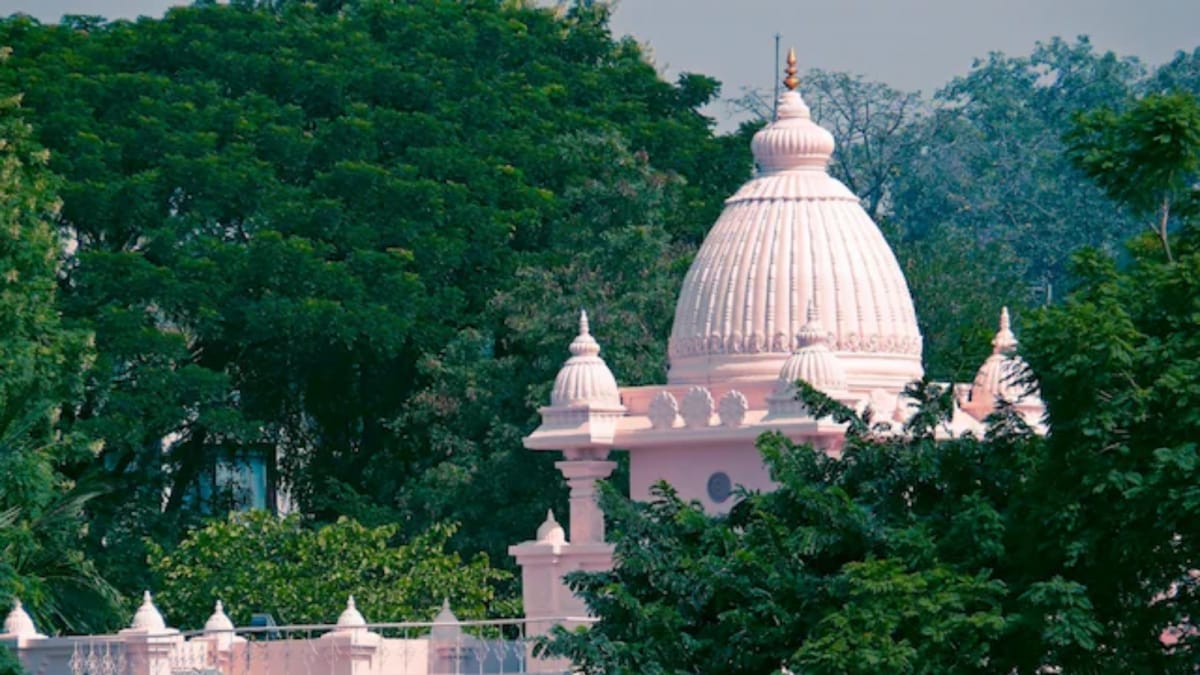
Dome-shaped roofs of temples enhance sound resonance, distribute positive energy, symbolise heaven, balance temperature, and provide structural strength
Many ancient temples in India have stood for centuries without any significant damage. A key reason for their longevity is their unique structure. (Local18)
Why is the temple roof always shaped as a dome? Is it purely for aesthetic purposes, or is there a deeper significance?
The dome-shaped roof is not just a design; it is deeply connected to religious beliefs, Vastu Shastra, and science.
Dome-Shaped Roofs Reverberate Sound
The dome helps sound reverberate, creating a peaceful atmosphere. When the priest rings the bell or people chant mantras, their voices echo throughout the temple. This resonating sound, which feels almost magical, is due to the dome’s structure.
Due to its concave surface, sound waves bounce around and reflect multiple times within the enclosed space, leading to prolonged sound persistence. This effect helps worshippers enter a deeper state of meditation and connection. This is why temples often have a unique sense of tranquillity.
Temples Are Believed To Be Energy Centres
In Hinduism, it is believed that gods reside in temples, and so, temples are filled with positive energy. The dome’s shape plays a role in dispersing this energy throughout the temple. When people enter, they are surrounded by this positive energy, often making them feel lighter and happier.
What Does The Dome Shape Symbolise?
The shape of the dome is raised upwards, a symbol of heaven and the universe. In Hinduism, temples are seen as more than just places of worship; they are believed to bridge the gap between the earthly and the divine. The high, dome-shaped roofs remind devotees of the glory of god, encouraging them to look up in awe.
Temperature Control: Cool In Summer, Warm In Winter
Did you know that the dome also helps maintain a balanced temperature inside the temple? The design ensures that the temple stays cool in the summer and retains warmth in the winter. This natural climate regulation is due to the way air flows through the dome, creating a comfortable environment year-round.
Why Are Ancient Temples So Durable?
Many ancient temples in India have stood for centuries without any significant damage. A key reason for their longevity is their unique structure.
The dome design enhances the temple’s resilience, helping it withstand earthquakes and other natural disasters. This design has allowed temples to remain strong and endure for generations.