

Compensation at Meta is closely tied to its structured leveling system, which defines expectations, responsibilities, and rewards across roles. For employees and candidates alike, understanding how Meta levels impact compensation is essential for making informed career decisions and negotiating effectively. Rather than relying on tenure alone, Meta uses levels to align pay with scope of impact and organizational value.
The Relationship Between Levels and Pay
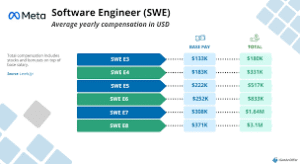
Each level at Meta corresponds to a compensation band that includes base salary, bonus potential, and equity grants. As employees move up within Meta levels, these bands increase to reflect broader influence, higher complexity of work, and stronger leadership expectations. This means two employees with the same job title but different levels can earn significantly different total compensation.
The leveling system also ensures internal consistency. Someone operating at a higher level is expected to deliver results that justify the additional investment, which keeps compensation decisions structured rather than arbitrary.
Base Salary Differences Across Levels
Base pay typically rises incrementally with each level. Early-career levels focus on competitive entry salaries, while mid-level and senior roles see steeper increases. Within Meta levels, base salary is often the most predictable component of compensation, as it sits within defined ranges.
However, base pay is only part of the picture. Many employees underestimate how much other compensation elements grow as levels increase, which can lead to undervaluing promotion opportunities.
Equity and Bonuses: Where Levels Really Matter
Equity grants and bonuses scale more dramatically with seniority. Higher Meta levels often come with larger stock awards and higher bonus targets, reflecting long-term impact on the company. Over time, equity can become the largest portion of total compensation, especially for senior engineers and leaders.
Because equity values fluctuate with market conditions, understanding how grants vest and refresh is critical. Employees who take the time to learn these mechanics are better equipped to evaluate offers and promotions realistically.
Promotions and Compensation Adjustments
When an employee is promoted, compensation is typically adjusted to align with the new level’s band. This may include a base salary increase, additional equity, or both. However, the exact outcome can vary based on performance history and negotiation.
Many professionals assume promotion compensation is fixed, but there is often room to discuss the structure of the new package. Coaching resources like thesalarynegotiator.com emphasize preparation and strategy, helping employees advocate for pay that reflects their expanded responsibilities.
Negotiation Still Plays a Key Role
While Meta levels set boundaries, they do not eliminate negotiation. Candidates joining Meta and employees receiving promotions can often influence where they land within a compensation band. Factors such as competing offers, specialized expertise, or critical project experience can strengthen negotiating leverage.
Approaching these conversations with data and confidence can make a meaningful difference over time. Even small improvements at each level can compound into substantial long-term gains.
Looking Beyond the Numbers
Compensation is only one outcome of advancing through Meta levels. Higher levels also bring increased visibility, leadership opportunities, and influence over strategy. These factors can further enhance earning potential, both within Meta and across the broader corporate hierarchy in the tech industry.
In summary, Meta levels have a direct and significant impact on compensation by shaping salary bands, equity awards, and bonus potential. By understanding how levels work and preparing for negotiation at key moments, professionals can ensure their compensation keeps pace with their growing impact and responsibilities.