

the Right Material for a PCB
When it comes to designing and manufacturing PCBs, the right material can make all the difference in the quality of a circuit board. The right materials ensure a smooth flow of electrical signals and allow components to operate within their optimum operating temperature range. They also enable proper thermal management and reduce signal distortion. Finally, the material must have sufficient mechanical strength to withstand stress and strain.
When choosing the right material for a electronics board, engineers must first define its application requirements. This includes determining the operating temperature range, frequency and voltage of signals, size constraints, and environmental conditions. Engineers can then identify potential PCB materials to meet these specifications. Some common options include FR-4 and polyimide. However, for high-speed signals and RF circuits, higher-performance materials like PTFE are recommended.
In addition to electrical and thermal properties, cost and manufacturability must also be considered. A reputable PCB manufacturer can offer advice on selecting the most suitable material for your project based on your budget and performance needs. They can also help you select the best materials to ensure RoHS compliance and other environmental regulations.
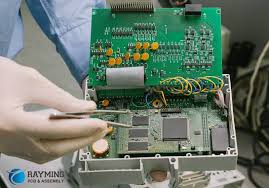
How to Choose the Right Material for a PCB
A plethora of factors affects the choice of a PCB material, including the ratio of epoxy resin to fiberglass weave, dielectric constants, and glass transition temperatures. The right mix of these properties can result in the perfect circuit board for your project. The key is to balance your performance requirements with the available budget and design constraints.
Depending on the design of your circuit, the thickness of your PCB may be a critical factor. Thicker boards can withstand greater levels of stress, but they can be expensive and take up a lot of space. The level of flexibility your circuit requires will also influence the thickness level needed.
Another important consideration is the level of corrosion resistance. Many circuits are exposed to corrosive chemicals or harsh environments, so the material must be resistant to these hazards. For example, a circuit board used in an oil pipeline may require a material with a high glass-transition temperature (Tg) that can withstand high levels of heat and stress.
Conductive pathways are etched into the surface of the PCB to connect various electronic components. Often, copper is used for these pathways to provide superior electrical conductivity. The design of the pathway is carefully matched to the specific application in order to maximise conductivity and minimise losses.
The right PCB material will also have a low dielectric constant to ensure the correct transmission of signals. In addition, it will have a low loss tangent to save energy. Finally, the material must be able to resist high-frequency signals to avoid distortion and maintain signal integrity.
Once you’ve determined the ideal material for your circuit, it’s vital to test prototypes made from that material to confirm that it meets all of your design requirements. This step is crucial to ensuring that your PCB can function as intended and to minimize any potential issues with the final product.