


Life and death are the two undeniable truths of human existence. Few experiences are as emotionally challenging as witnessing the final moments of a loved one. As a person nears the end of life, their body gradually shuts down, and certain physical and behavioural changes often signal this transition. Research highlights eight signs commonly observed in individuals during the final days before death.
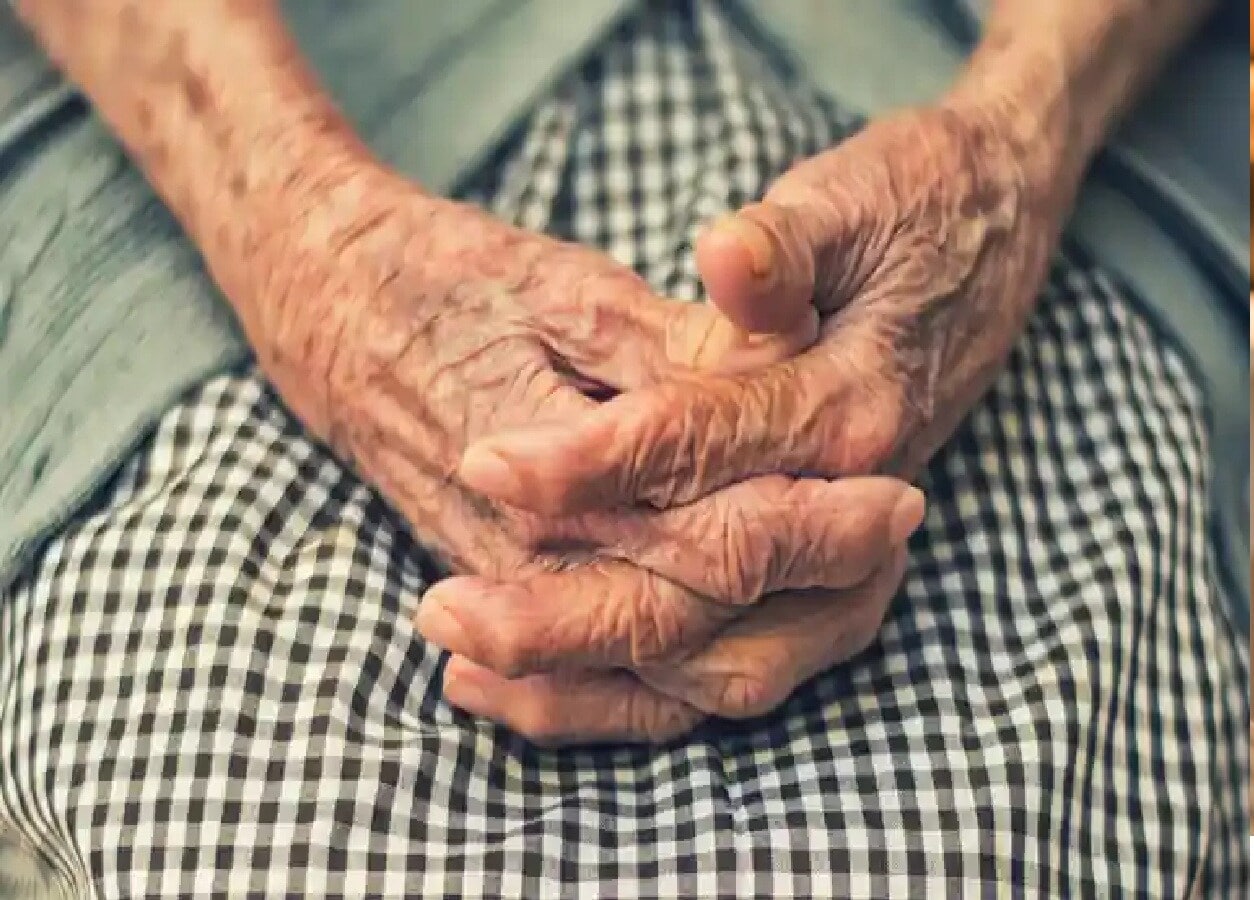
Loss of Appetite and Thirst: In the final days or week, many people lose interest in food and drink. Rather than insisting they eat, it’s more helpful to provide comfort; using wet cloths, ice cubes, or lip balm to moisten the lips and face.

Increased Sleep and Drowsiness: As energy levels decline, the person may sleep more and respond less. Even when unresponsive, they might still hear familiar voices. Gentle conversation, music, or hand-holding can bring peace and reassurance.
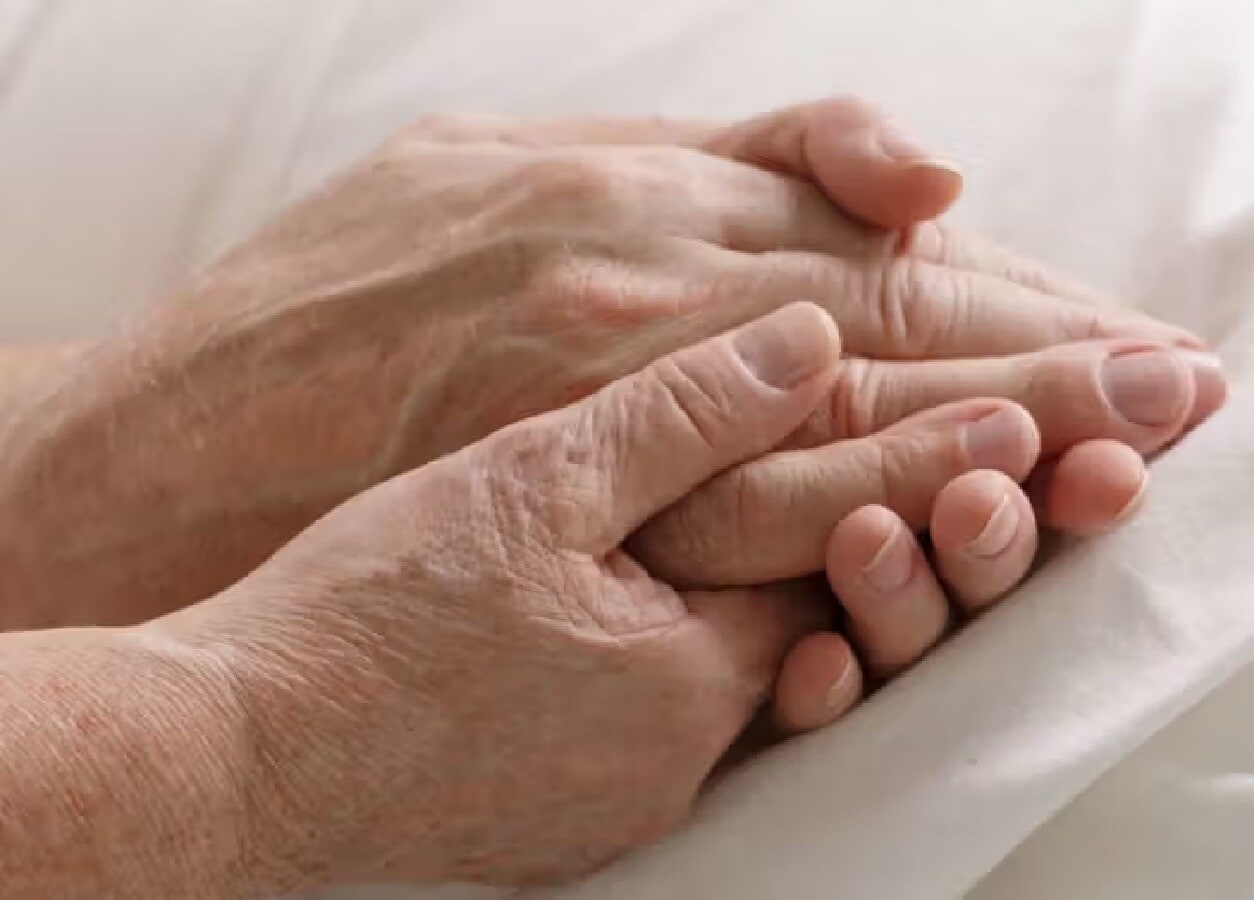
Altered Bowel and Bladder Habits: With reduced intake of food and fluids, bowel movements and urination decrease. Incontinence or a complete stop in bowel activity can occur. Though distressing to witness, these are natural signs of the body’s shutdown.
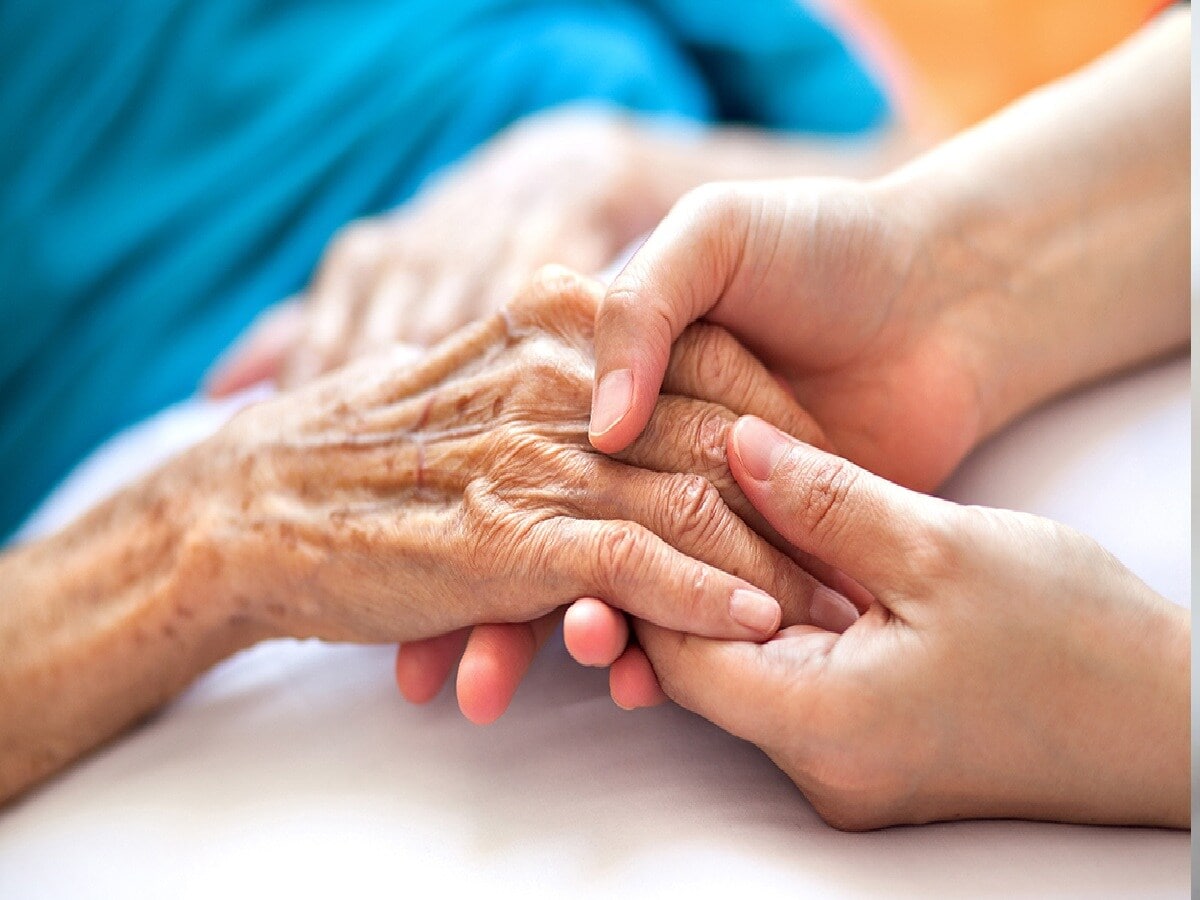
Muscle Weakness and Fatigue: The body redirects its limited energy to vital organs, causing overall weakness and limited mobility. The person may need help with even small movements.

Fluctuations in Vital Signs: Blood pressure often drops, the heartbeat may become irregular or faint, and breathing can slow. These shifts signal the body’s final stages of function.

Cold or Discoloured Skin: With reduced circulation, the skin, particularly on the hands, feet, and soles, can feel cool to the touch or appear bluish or purple in tone.

Irregular or Noisy Breathing: Breathing may become irregular, shallow, or paused (known as Cheyne-Stokes breathing). Some individuals develop a gurgling or rattling sound from fluid in the throat, often called the ‘death rattle’.

Hallucinations or Visions: In the final hours or days, a person may speak of seeing loved ones who have passed or spiritual beings. Rather than correct them, it’s best to respond with calm and compassion.