

Using Flex PCBs
In electronics, flex circuits offer an array of advantages that are attractive to product designers. For example, they can significantly reduce the overall size and weight of a product, which is ideal for applications where space is limited or when product weight is a concern. They also support more intricate and complex layouts than traditional ribbon cables or hand wiring. Additionally, they can help improve reliability by reducing the number of connections that could break under stress.
The main advantage of flex circuit pcb is their ability to withstand repeated dynamic bending and torsion without damaging the conductors inside. This enables them to be used in products that are frequently moved or flexed during normal use, such as mobile phones that can be folded (dynamic application). They are also frequently used in replacement of wire harnesses in products such as cars, aircrafts and rockets (static application).
Flex circuits are manufactured from incredibly thin substrates that have been laminated together using thermally cured acrylic adhesives. They can be made in a wide range of thicknesses and materials, depending on the product’s design. The most common flex material is polyimide, which is a thermosetting resin that retains its flexibility when it’s heated. It’s highly tolerant of solder reflow cycles, and has good resistance to humidity and tears. It can also be upgraded to increase its bending and torsional resistance, making it suitable for more extreme applications.
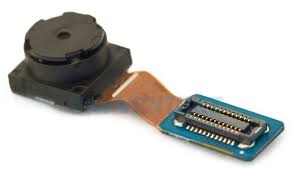
Advantages of Using Flex PCBs
In addition to the underlying base material, a flex circuit is typically made from layers of copper and various dielectrics. The conductors are etched into these layers, which are then covered with a layer of solder mask and protective surface finish. This protects the circuit from environmental contaminants that could damage the conductors, and ensures that only the correct connections are made during assembly. There are many different types of surface finishes for flex circuits, including liquid photo-imaged, dry film and adhesive based coverlay. Some of these provide a solderable surface, and others help to prevent copper oxidation.
As with a rigid PCB, a flex circuit can be produced in a wide variety of constructions and sizes. It can be made as a single-layer board, a multi-layer board or an adhesiveless circuit construction. In addition, a flex circuit can be manufactured with either panel plating or pad-only plating, where the copper is deposited only on the pads and vias. This allows for a higher level of control over the copper etch patterns and can improve the conductor’s impedance in harsh environments.
As with a rigid PCB, the design of a flex circuit is key to ensuring that it can be manufactured and assembled to meet the product’s requirements. The most important consideration is the layout of the signal and power conductors. They should be positioned away from the edges of the flex, and should not bend along the neutral axis. It’s also necessary to consider the flex material’s tensile strength, stiffness and temperature stability. The best choice will be one that is compatible with the environment where the flex circuit will be used.