

Are American power sockets grounded by default?
An American power socket is a fundamental component of electrical systems in homes, offices, and industries across the United States. When considering electrical safety and efficiency, one common question arises: Are American power sockets grounded by default? The answer depends on the type of socket and the building’s electrical wiring system.
Understanding Grounded vs. Ungrounded Power Sockets
A grounded power socket includes a connection to the earth (ground), which helps prevent electrical shocks and reduces the risk of damage to connected devices. In the United States, american power socket come in two main types:
- Two-Prong Outlets (Ungrounded Sockets) – Older buildings often have these outlets, which lack a grounding pin. These sockets only provide a live and neutral connection, offering basic power distribution but no grounding protection.
- Three-Prong Outlets (Grounded Sockets) – Modern electrical systems use grounded sockets, which include a third round pin for grounding. This feature enhances safety by directing excess electricity into the ground instead of passing it through connected devices or users.
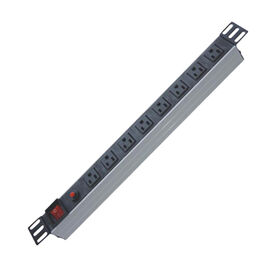
Are Modern American Power Sockets Grounded by Default?
Yes, modern American power sockets are grounded by default. The National Electrical Code (NEC) requires grounded outlets in all newly built or renovated homes and commercial buildings. This means that if you are installing or purchasing an American power socket, it will likely have three prongs and be designed to support grounding.
For businesses looking to source wholesale American power socket products, it is essential to verify whether the sockets are grounded. Suppliers from China, India, and Korea offer various socket types, including grounded and ungrounded versions, which can be sourced through platforms like Global Sources.
Why is Grounding Important?
Grounding plays a crucial role in electrical safety and efficiency:
- Prevents Electrical Shocks – A grounded socket reduces the risk of electric shock by directing excess current safely into the ground.
- Protects Electrical Devices – Grounding helps prevent damage to appliances and electronics caused by power surges or short circuits.
- Enhances Home Automation Systems – Smart homes rely on multiple connected devices. A properly grounded American power socket ensures stable power delivery and reduces the risk of damage to automation equipment.
- Meets Electrical Code Requirements – In the U.S., grounded outlets are legally required in new construction projects and renovations, ensuring compliance with safety standards.
How to Identify a Grounded American Power Socket
To check if your American power socket is grounded, look for the following signs:
- Three-Prong Design – If the socket has three slots (two vertical and one round), it is grounded.
- Testing with a Multimeter – A simple multimeter test can confirm if the ground connection is active.
- Upgraded Wiring – Homes built after the 1960s generally have grounded outlets, whereas older homes may still have ungrounded ones.
Where to Buy Wholesale American Power Socket Products?
For those looking to purchase wholesale American power socket products, platforms like Global Sources provide access to verified manufacturers from China, India, Korea, and other countries. Buyers can compare prices, check minimum order quantities (MOQs), and connect with suppliers to find high-quality grounded sockets at factory prices.
Final Thoughts
While older American power sockets may not be grounded, modern outlets are required to have grounding by default for safety reasons. Grounded sockets offer protection against electrical shocks and power surges, making them essential for home automation and everyday electrical use. Whether sourcing sockets for personal use or wholesale distribution, choosing grounded options ensures compliance with safety regulations and enhances electrical reliability.