

Last Updated:
As awareness grows, minimally invasive procedures have the potential to bridge the gap between lifestyle interventions and surgical procedures, offering hope to millions struggling with obesity
Patient can choose between ineffective diets and invasive surgery when there is a proven, minimally invasive alternative that is effective
Obesity is a chronic, often relapsing condition with numerous metabolic, physical, and psychosocial complications, including a substantially increased risk for the development and progression of type 2 diabetes. Therefore, it is important to reduce weight, which can prevent in progression of other medical conditions. Dr Mahesh Goenka, Director, Institute of Gastrosciences, Apollo Gleneagles Hospitals, Kolkata shares all you need to know:
For decades, the conversation around weight loss has revolved around diet plans, exercise routines, and, in extreme cases, bariatric surgery. While these methods have their merits, they are not universally effective or suitable for everyone struggling with obesity. Today, we stand at the threshold of a new era in obesity treatment—one where minimally invasive procedure, such as Endoscopic Sleeve Gastroplasty (ESG) and Intragastric Balloon System (IBS), are redefining how we manage this complex condition.
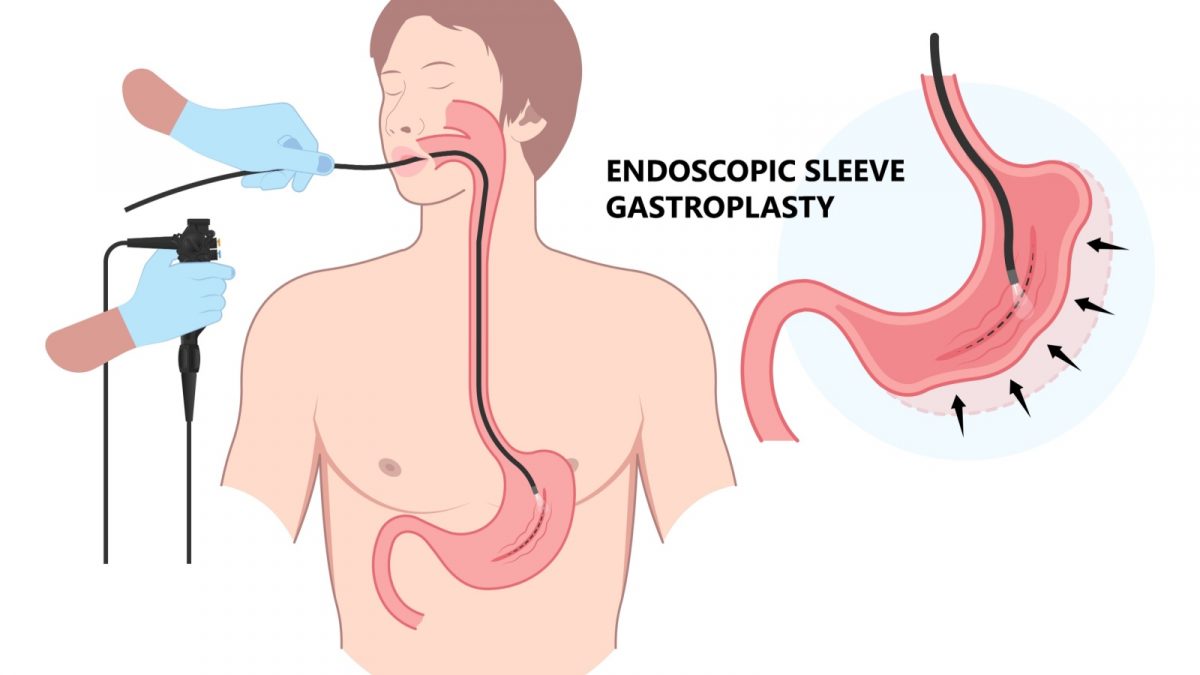
The endoscopic sleeve gastroplasty (ESG) procedure is an incision-free weight loss procedure that significantly reduces stomach volume, offering a less invasive alternative to surgery for patients with obesity while Intragastric Balloon System is a silicone gastric balloon inserted into the stomach for temporarily filling it and reducing its capacity.
Many individuals with a body mass index (BMI) between 30 and 40 may not qualify for bariatric surgery but still struggle with significant weight-related health issues. In such conditions, ESG provides an effective alternative for those seeking a medical intervention without undergoing major surgery.
Studies indicate that less than 20% of people who lose weight through diet and exercise alone maintain their results after five years. For some, bariatric surgery may be an option, but it is often viewed as a last resort due to its invasive nature, potential complications, and long recovery times.
The future of weight management is evolving beyond the traditional “eat less, move more” narrative. While diet and exercise remain foundational, the integration of minimally invasive procedures like ESG and IBS into mainstream obesity care is a significant step forward. By expanding our understanding of obesity as a complex disease and embracing medical advancements, we can provide patients with safer, more effective, and more sustainable treatment options.
As awareness grows, minimally invasive procedures have the potential to bridge the gap between lifestyle interventions and surgical procedures, offering hope to millions struggling with obesity. Patient can choose between ineffective diets and invasive surgery when there is a proven, minimally invasive alternative that is effective.