

Can a Piano Transcription Capture
A piano transcription is a written version of a musical composition adapted for play on the piano. The music is usually written in standard musical notation, which uses staffs with one of two clefs at the beginning to indicate which notes are played. Musicians read these clefs and the symbols that appear on the lines and spaces of the staff to determine how long each note should be held. Unlike some other instruments, pianos are chromatic, and the pianist can play all pitches of a song without needing to transpose it to a different key.
This allows pianists to transcribe songs in a way that is easily understood by musicians not trained in the specific style of the original instrument. Many transcriptions will also incorporate chord symbols to indicate the chords that are used, and some will include a bass part as well since pianos can produce both melody and bass simultaneously.
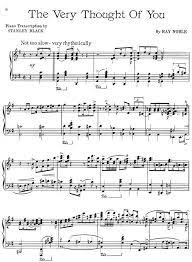
Piano transcriptions are often created by musicians who want to learn a particular song. The process of creating a piano transcription can be time consuming, but there are tools that can speed up the process. These software programs can help transcribe the melody of an entire song, including vocals, in just a few minutes. Some can even identify the key and tempo of the original recording, as well as highlight chords and harmonies.
https://tartalover.net/nicole-pesce
Can a Piano Transcription Capture the Essence of the Original Piece?
For example, the Beatles’ “Get Back” contains a short keyboard intro which showcases Billy Preston’s brilliant ear (he was known as John Lennon’s fifth Beatle). The transcription includes all of his electric piano playing for this 4-bar segment – fun Right Hand octaves and rhythmic interplay with left-hand strums. Then the intro moves into the famous vocal melody, which Alicia Keys performed beautifully on her 2007 hit “Empire State of Mind.”
https://m.youtube.com/@tartalover2682/videos
Other pianists have taken their skills to a higher level in the art of piano transcription. Franz Liszt created a remarkable series of musical transcriptions, or paraphrases, that pay tribute to the original works from which he was interpreting. His orchestral versions of operatic melodies, for instance, evoked a full range of sonorities, challenging the piano player to use their sense of drama and color to recreate them.
The Allman Brothers Band’s 1977 hit “Whipping Post” features a Hammond B-3 organ solo by Gregg Allman and an incredible 24-bar rock piano solo by Chuck Leavell. This note-for-note transcription reveals how to create Leavell’s jazzy 9th chords, syncopated octaves, cross-bar phrasing in 3rds, and other virtuosic keyboard motifs. It also clarifies Allman’s odd meter arrangement, which is sometimes analyzed as 11/4. Check out the video below for this amazingly detailed performance!