

rigid flex circuits
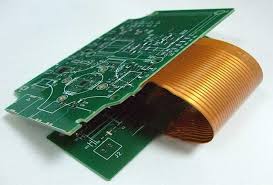
Rigid flex circuits are used in many electronic devices, from consumer products like cell phones and multimedia players to sophisticated military/avionics systems. This is due to the fact that they provide many benefits that traditional rigid PCBs do not, including greater space for components, higher component density, and reduced manufacturing costs. In addition, they can withstand harsh environments that are typically outside the range of normal PCBs.
The most common application of rigid flex is in mobile devices that have built-in sensors or wireless connectivity. These include smart phones, tablet computers, and laptops. The rigid flex circuits PCBs in these devices allow for more space for the device to function, and they also support a thinner design that makes the product more lightweight and portable.
To create a rigid-flex circuit board, the fabricator begins with a one- or two-sided flex layer that is either laminated to a stiffener or bonded directly to a stiffener. A layer of copper is then deposited on the flex layer using the same processes as on a standard PCB. This is done through chemical deposition, a process called “cladding.” This is followed by the same drilling and plating process that is used for traditional rigid PCBs.
Can rigid flex circuits be used in automotive applications?
A flex section is then cut from the resulting piece, and affixed to the rigid part of the circuit board. This step is often referred to as “blanking.” For high-volume production runs, this can be achieved through a hydraulic punch and die set, which can have fairly high tooling costs. However, for prototype and low-volume production, a blanking knife is usually utilized.
The final steps of producing a rigid-flex circuit are the assembly and test. The rigid sections of the PCB carry the necessary components, while the flex areas serve as the interconnections. This eliminates the need for extra wires and cables, which streamlines the assembly process and increases employee productivity. It also allows for better signal integrity between the rigid and flex sections of the circuit board, which is crucial in automotive applications.
One of the biggest advantages of rigid-flex circuits is their ability to withstand harsh environmental conditions, such as shock and vibration. This makes them more reliable than standard rigid PCBs that are connected with cables, which can become fatigued or cracked in these extreme conditions. Rigid-flex circuits can also be designed with narrower traces and tighter connections, which can help them to achieve higher component densities in the same package size as traditional PCBs.
As a result, rigid-flex circuits can be incorporated into a wide variety of automotive applications. However, it is important to remember that rigid-flex circuits need to be designed with proper engineering, fabrication, and testing procedures to ensure they meet all the necessary requirements for automotive use. This includes adhering to strict environmental and safety standards, conducting thorough testing and verification, and using high-quality materials.