

cost of rigid flex PCBs compare to traditional PCBs
Rigid flex circuits are a combination of rigid and flexible PCB technology, providing your design with dynamic adaptability and strength. But just how do they compare in cost to traditional rigid PCBs? This blog post will discuss the various costs of creating, manufacturing and assembling rigid-flex circuits and help you determine whether this unique technology is right for your design.
The main reason why rigid flex pcb are more expensive than standard PCBs is the raw materials needed to build them. Unlike traditional rigid FR-4 boards, which utilize multiple layers to build the core, a single ply of prepreg is utilized for a rigid flex circuit board. This no-flow prepreg is designed to offer enough flow for the rigid sections of the board, but not enough that it will overflow onto the flex areas.
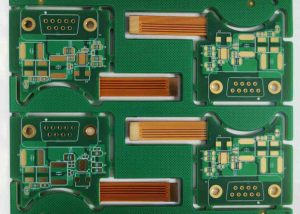
These prepregs are then laminated together with the flex sections to form a rigid-flex circuit board. To complete the electrical connections, copper is deposited and chemically etched on both the flex and rigid sections of the circuit board. Depending on the design, this process can involve up to six layers of copper. Typically, rigid-flex circuits require more copper layers than conventional PCBs, which requires additional fabrication steps.
How does the cost of rigid flex PCBs compare to traditional PCBs?
Despite the higher price tag of rigid-flex circuits, their long service life and quality are well worth the initial investment. The longevity of these circuits is due to their unique structural design, which reduces voids and solder joint failures. This allows manufacturers to save on both replacement and repair costs down the line, which can significantly cut overall production and maintenance expenses.
In addition, rigid-flex circuits allow for easier assembly and repairs. As these circuits are not as complicated as conventional PCBs with multiple wire assemblies, it is much more difficult for human error to occur during installation and assembly. This could lead to significant savings in the future, as you can replace or repair the circuit board with minimal labor and time.
Rigid-flex circuits can also reduce assembly and assembly times, as they remove the need for wires to connect to other parts of the device or to other PCBs. This makes them more reliable and cost-efficient, especially in high vibration applications.
If you are interested in learning more about the benefits of rigid-flex technology, be sure to contact one of our experienced engineers. We would love to help you create a rigid-flex circuit board that is both durable and affordable. Our team of experts is here to help you every step of the way, from design to manufacturing and assembly. Contact us today to get started! We have a detailed calculator available on our website that can give you an accurate, personalized estimate of the cost of your rigid-flex circuit. It only takes a few clicks! We’re here to make the PCB creation process as easy as possible.