

Prototype PCB Production
Getting your prototype PCBs into production is a big step in the process of bringing your electronic product to life. Prototypes offer a way to test your design, identify errors, and improve the overall efficiency of the product before moving on to full-scale production. The question of how many prototypes are typically made in the prototype PCB production stage often depends on what you are trying to accomplish with your product. Some designers prefer to create a small batch of prototypes for detailed real-world testing, while others opt for more standard or full-spec production.
The first step in the prototype pcb production process involves creating a basic model. These models do not feature all of the components in your final product and are primarily used for aesthetics and functional testing. They are also helpful for assessing physical dimensions and whether the product will fit within your desired enclosure. Prototypes are typically manufactured using low-cost materials to keep costs down and make it easier for engineers to work with the products during the testing phase.
Once the engineering team is confident that the basic prototype has tested satisfactorily, they may decide to enhance it for higher functionality or change the design in other ways to increase efficiency. These changes will require further testing to ensure that they are compatible with the product and that the manufacturing processes will not introduce any errors. In addition, a move to full-spec production can take a longer time, as the team has to rely on more stringent production standards and inspection services to prevent any errors.
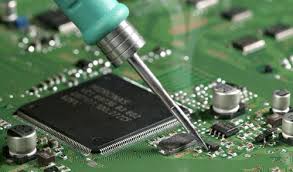
How Many Prototypes Are Typically Made in Prototype PCB Production?
After a few rounds of iterations with your prototypes, you can expect that they will function properly and meet all production specifications. Once you have verified that the prototypes work as intended, you can begin assembling them. This process can include etching the substrate material to prepare it for soldering, removing any excess copper, and applying solder paste. Once the components have been placed, the PCBs will be inspected and tested again to ensure that they function correctly and that all quality standards are met.
When you are ready to move to the production phase, you will need to work with a company that offers rapid prototyping and quick turn manufacturing services. A partner with experience in prototyping and a strong track record of delivering high-quality finished products can help you accelerate the development process, reduce risks, and improve your odds of success.
Having the right manufacturer on your side can help you avoid any costly mistakes in the production process that could impact the performance, reliability, and cost of your product. Look for a provider that provides instant quotes, fast turnaround times, and a dedicated customer service team to help you get the most out of your partnership. A reliable and professional PCB producer can provide you with the tools and support you need to get your prototypes into production quickly and effectively. You can also rely on their experts to help you troubleshoot any problems that arise during the testing or production stages.